SRAD Live Video System
2026Project overview
Project Spaceshot’s main goal is to reach the Karman Line by building incredibly powerful and cool looking rockets. We, Illinois Space Society, push the limits of hobby rocketry to the next level. Containing custom flight electronics, our rockets push the limits in fields ranging from SDA, GNC, Fabrication, to E-Hardware. For example, I am honored to share my work on the live video system something that no other collegiate team is attempting (to my knowledge).
The live video systems mission is to capture the incredible nature and experience of launching rockets in real time and post launch. The live video system is a fully custom design that incorporates cheap COTS components. CAM MK3 or the small form factor custom transmitting PCB sits in the avionics bay and transmits live video over 434 MHz frequencies. CAMK3 is a peripheral to the main flight computer (COTS) and is commanded over the I2C protocol. EAGLE, the live video receiver, is connected to the ground station and receives data packets containing live frames which are then reconstructed in a python script. My primary role in the live video system project was designing and creating the live video receiver, EAGLE, while also contributing to the development of the transmitter and supporting software.
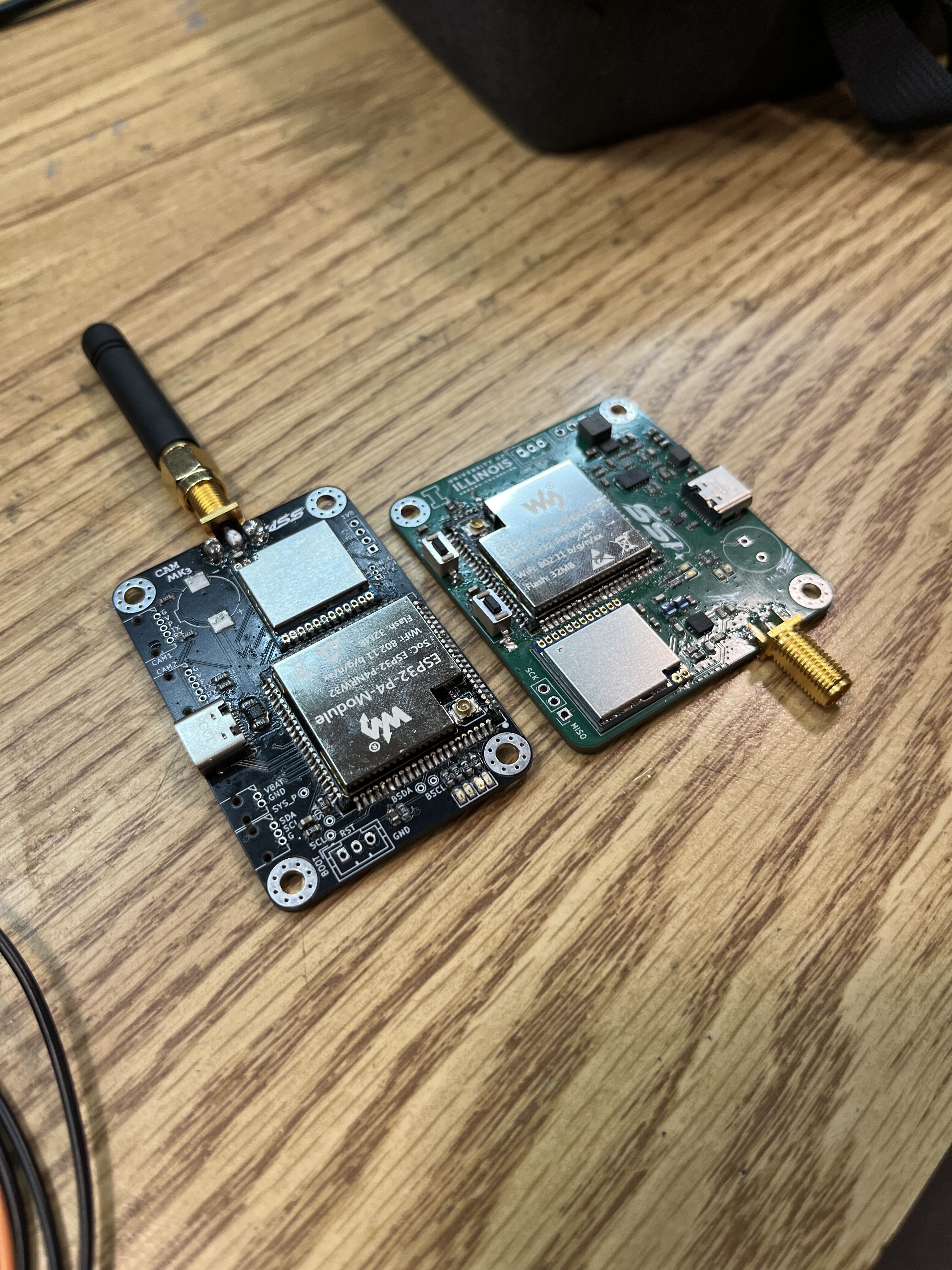
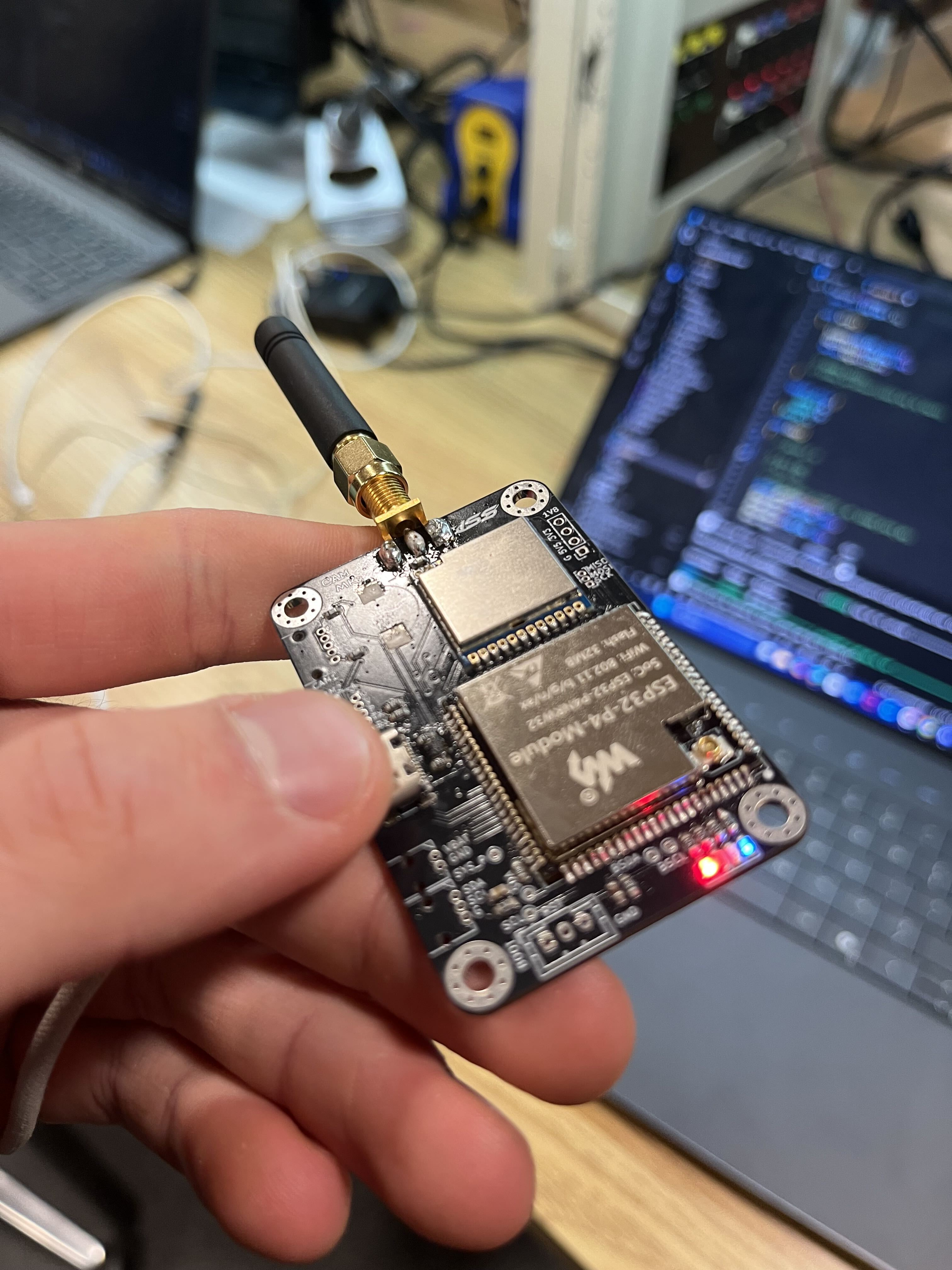
CAM Mk3
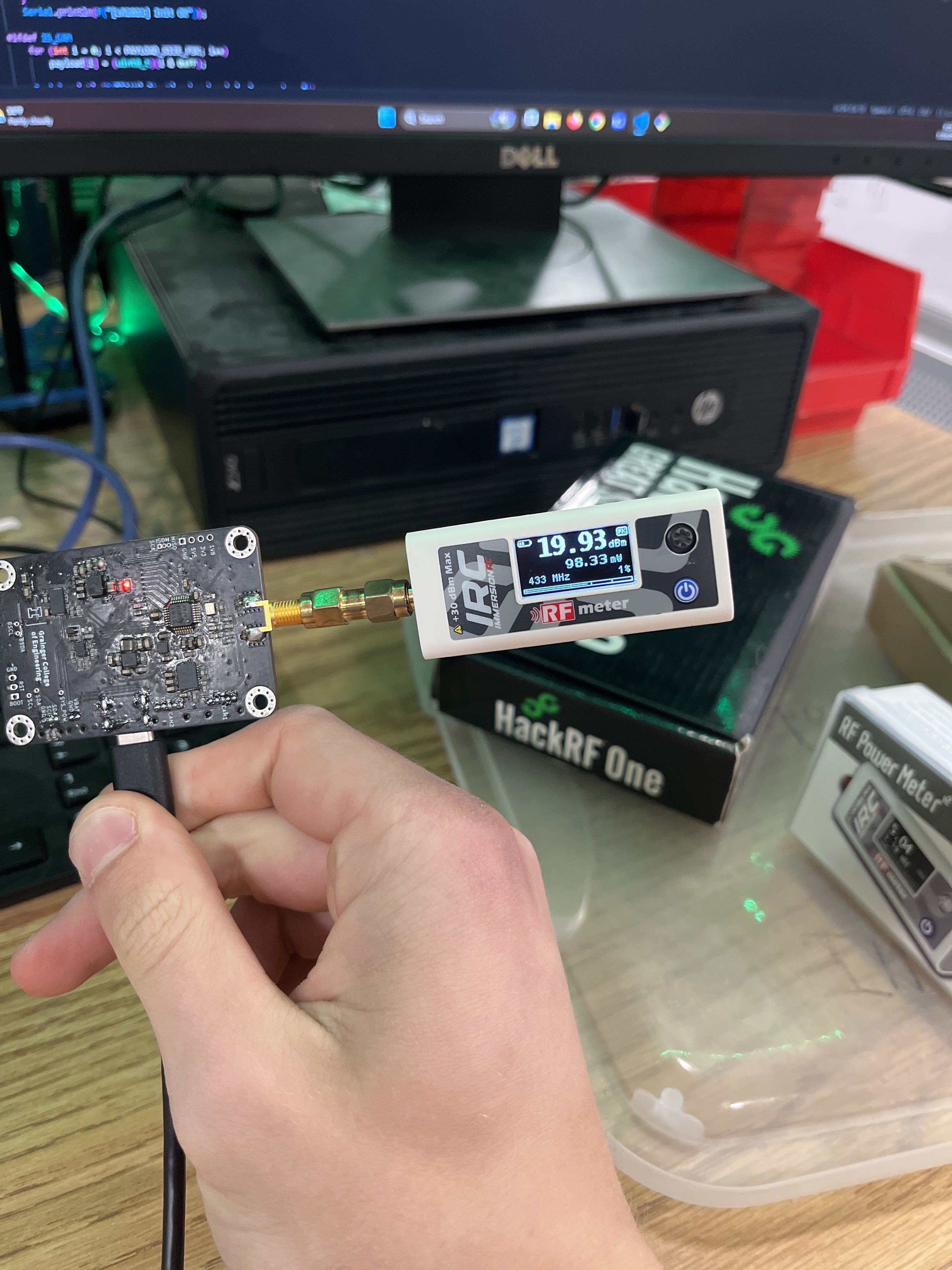
Testing Transmission RF Power
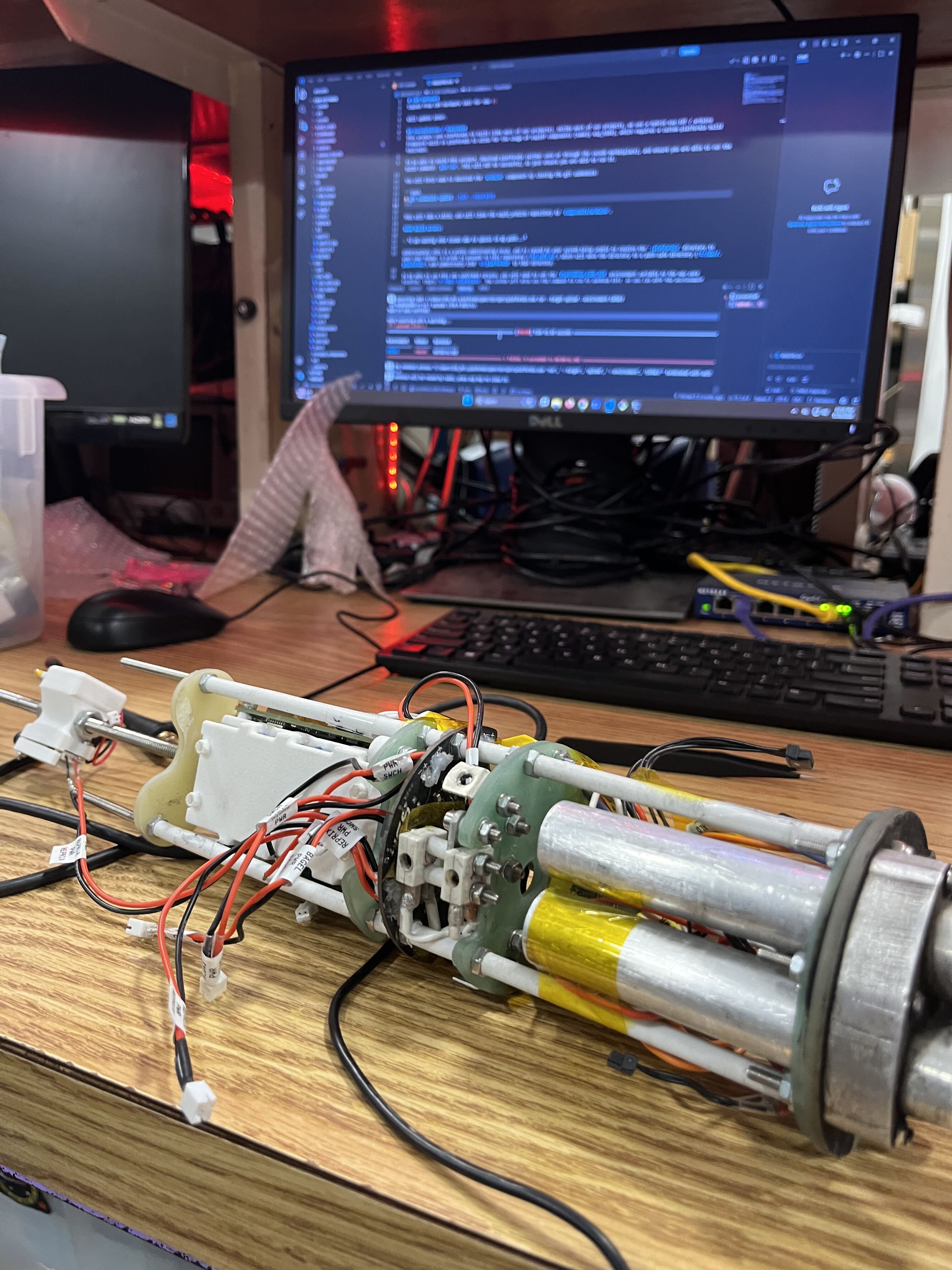
Integrating
Component Selection & Design
Heavy research was conducted at the beginning of the 2025 fall semester. Our goal was to create a custom digital video system learning from mistakes and hardships of other years. The TVP5151 video decoder was selected due to its ability to take in NTSC video formats and convert them to a digital YUV422 format. The ESP32P4 was chosen to be the MCU as it contained a H.264 hardware encoder, something that is incredibly rare for MCUs in this price range and form factor. Additionally the chip supports the LCD & CAM Controller which has the ability for fast polling of digital video within the DMA interface. The initial transceiver chosen was the Si4463 as it supported 1Mbps FSK, a speed no other transceiver could top at this form factor and price at the time. With an amplifier added to EAGLE we were confident in the system architecture. However, after testing, issues with EAGLE’s amplifier, failing to write successful drivers to transmit at 1 Mbps, and finding the LR2021 a significantly better transceiver we decided to create new revisions of the boards. We decided to switch to the LR2021 due the reliability heritage of Semtech LoRa products. We have already used it on our main flight computer which has proven to provide reliable telemetry data over countless flights and we were confident working with similar products. On top of that, it supports FLRC at 2.6 Mbps as well as FSK at 1 Mbps at 434 Mhz frequencies and features such as ranging.
Live Video System Hardware Architecture
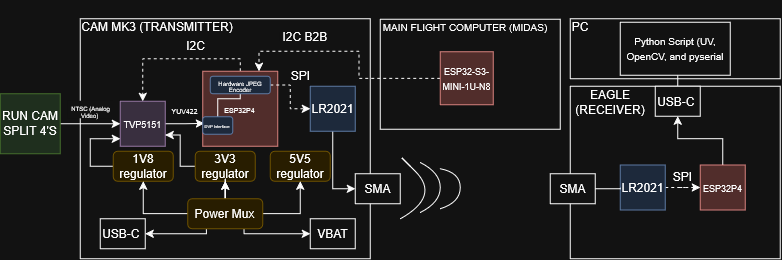
Video Pipeline
The video pipeline mission is to convert analog video coming from the Run Cam Split 4’s into a digital format to receive and decode at a computer. The process begins at the Run Cam Split 4’s which output a NTSC analog video format. This feeds into the TVP5151 video decoder chip which converts NTSC to YUV422, a digital video format. The ESP32P4 DVP interface copies outputted YUV422 into ESP32P4 memory which is then fed into a JPEG Hardware encoder. After encoding, data packets were formed and sent over SPI to the LR2021 to be transmitted over 434 MHz to EAGLE which receives the data through an LR2021 and feeds it to the ESP32P4 MCU chip. The MCU then prints data through a USB-C connector onto the serial monitor of a PC connected to EAGLE which is running a python script that continuously reads the serial monitor and reconstructs data into images which is then shown using OpenCV.
Challenges
Developing a live video system in a small form factor with affordable COTS components is a greatly difficult endeavor. Managing big data sets within constrained space led us to scratch our heads every single meeting. However, there were three main challenges we encountered.
Compression of video
Many attempts were made creating video compression software for our live video system as we overlooked the datasheet for the accepted ESP32P4 H.264 Hardware encoder data format. Our initial plan of using the hardware encoder failed as we attempted many solutions such as using the LCD & CAM Controller to convert YUV422 to YUV420 format and then feeding that data into the H.264 hardware encoder. However through implementation of the LCD controller and analysis of the data formats being outputted through python scripts and of the datasheet we determined that the order of the YUV format that is outputted from the LCD Controller is not in the correct order that the H.264 hardware encoder accepts. Making an attempt to flip the bytes unfortunately did not deem any success nor using the H.264 software encoder. After being stumped we came across a JPEG linux driver which we determined could work on the ESP32P4. We decided to try implementing the JPEG hardware encoder compromising speed for a functional system. This decision deemed the ESP32P4 unnecessary for our application. Although for a small compact system like this one H.264 encoding is the most practical, we ultimately decided on JPEG encoding as it worked for our application.
Developing Drivers for JPEG, DVP, UVC, and TVP5151
Although the selected electronics were capable of being very powerful, limited documentation made developing custom software for the live video system particularly challenging. When creating the TVP5151 driver, I did extensive analysis of its datasheet and took inspiration from the general structure of C++ drivers. With few examples for the interfaces we needed to implement, our team went through multiple iterations of flashing and testing code to evaluate different features and verify their behavior. This iterative process allowed us to gradually understand how to create software for the hardware.
Avionics Bay Integration
After weeks of finalizing the live video system with the new LR2021, we had a reliable and functional product ready for testing at our high-power Summer Friends of Amateur Rocketry (FAR) launch. However, during rocket integration of the rocket and system testing, we encountered several unexpected issues involving the RunCam cameras and I2C buffer chip. Because we hadn’t tested the system with other cameras, including the ones integrated into the avionics bays, we encountered compatibility issues that affected video output. The video we were getting was corrupted, however the recorded SD card video looked fine. We suspected the issues were related to camera wiring. We also found that certain pairs of cameras interfered with one another, with some combinations functioning correctly while others “corrupting” each other. Despite attempts to isolate the cause this we never figured out.
The avionics bay architecture also made troubleshooting difficult because physically swapping the Run Cams was challenging. Additionally, the architecture limited how tightly the SMA connectors could be secured, dropping the TX power output. Ultimately these issues prevented the live video system from operating during the 2026 FAR Launch.
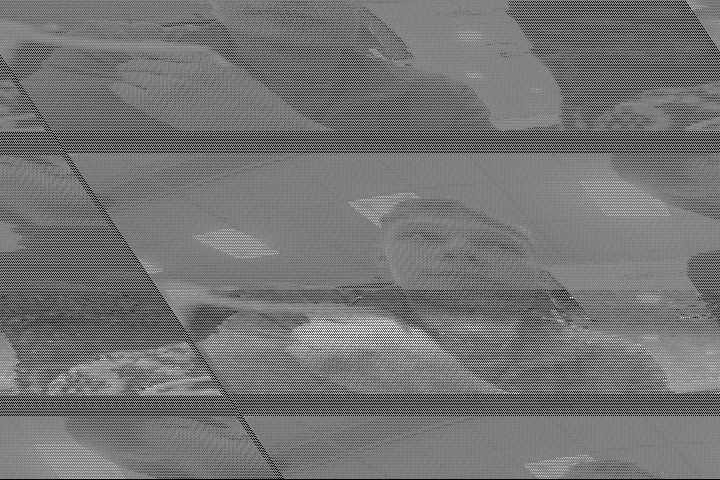
Obtained Frame with Si4463 Transceiver
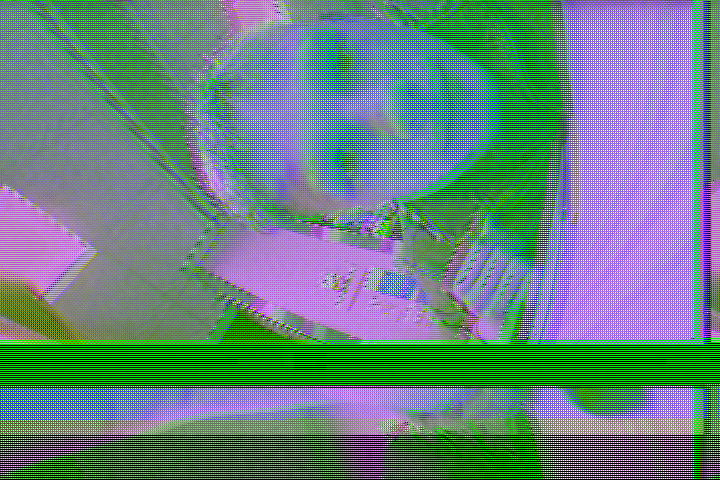
Obtained Frame with Si4463 Transceiver
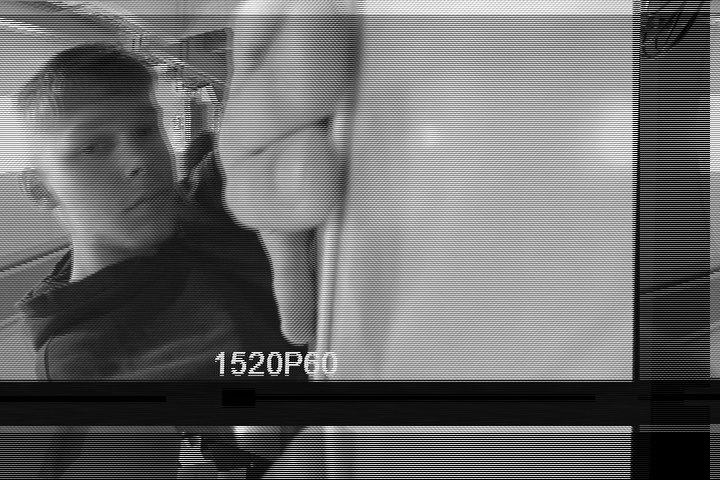
Obtained Frame with Si4463 Transceiver
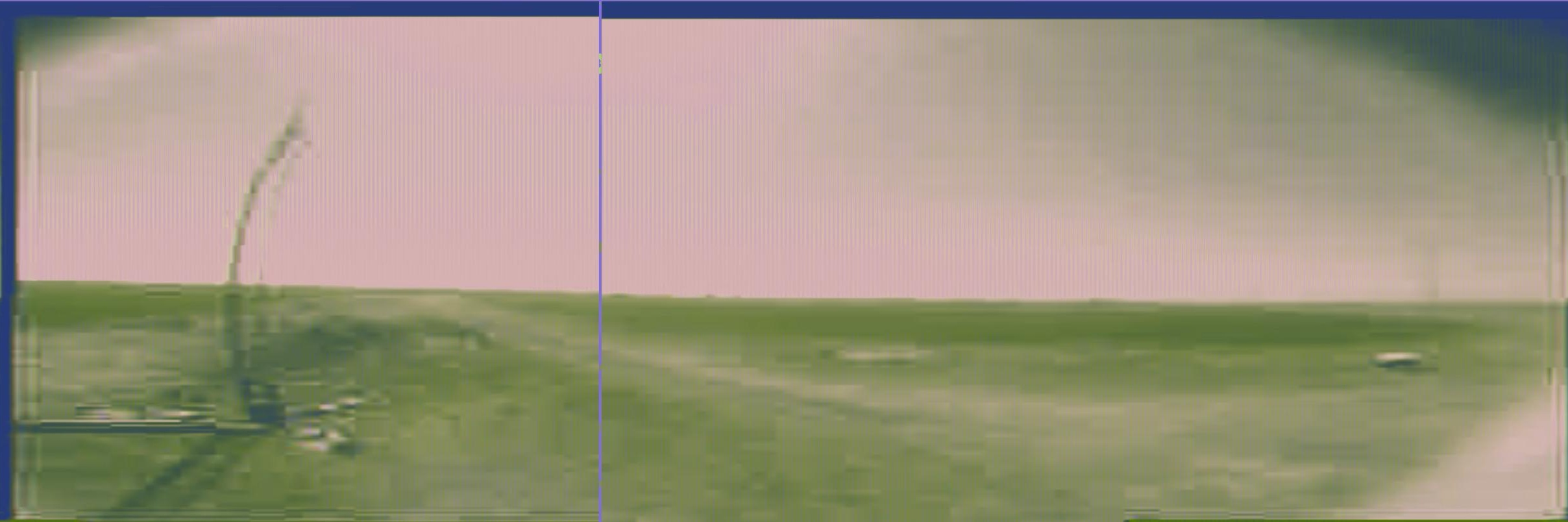
Live Frame from Cassie Launch
Demo of the Live Video System (LR2021)
Reflection
Although a disappointing ending, the experience I gained from this project is invaluable. The FAR launch event highlighted the importance of testing hardware configuration under realistic integration conditions and designing avionics architectures to allow for accessibility. Surprisingly, the live video system project was my introduction to embedded systems. I will forever cherish the moments of hardship and success throughout the process of building this system as it created an incredible foundation introducing me to the entire world of hardware and software. From learning to read datasheets, video encoding schemes, communication protocols, to just creating a PCB from the ground up the experience was incredible.
Check out our KiCAD designs . Also check out the software used by CAM & EAGLE: https://github.com/ISSUIUC/CAM-Software